


Bruce Willis is now receiving round-the-clock care in a nearby “second home,” his wife Emma Heming Willis revealed in a deeply emotional interview with Diane Sawyer on Tuesday night.
The decision, made to balance Bruce’s needs with the wellbeing of their young daughters, marks a poignant new chapter in the beloved actor’s battle with frontotemporal dementia.
A painful but necessary choice
In the ABC News special, Emma, 47, explained the heartbreaking moment she realized their family home could no longer accommodate Bruce’s full-time care needs.
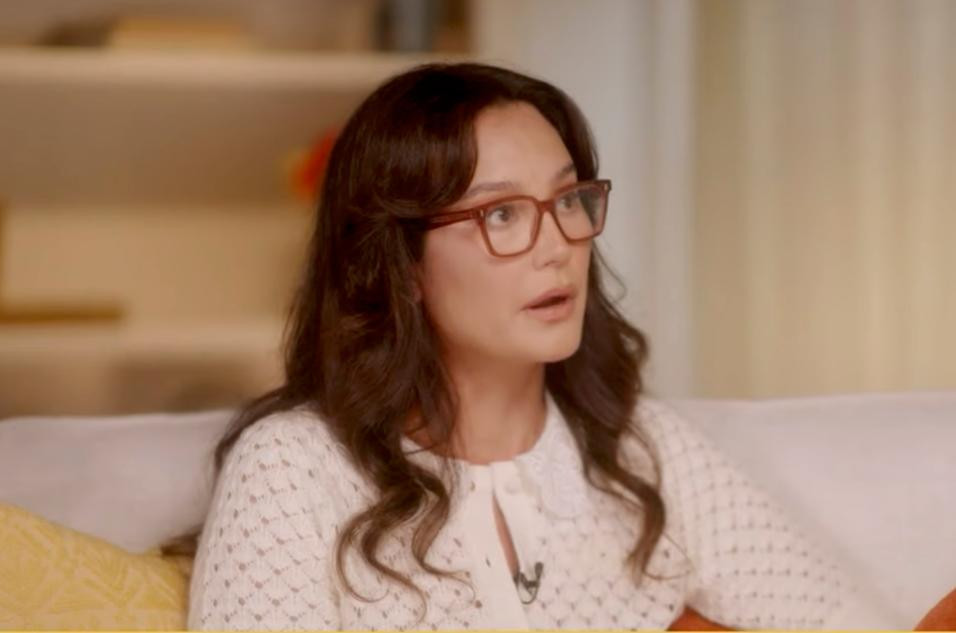
“It was one of the hardest decisions that I’ve had to make so far,” she said. “But I knew, first and foremost, Bruce would want that for our daughters.”
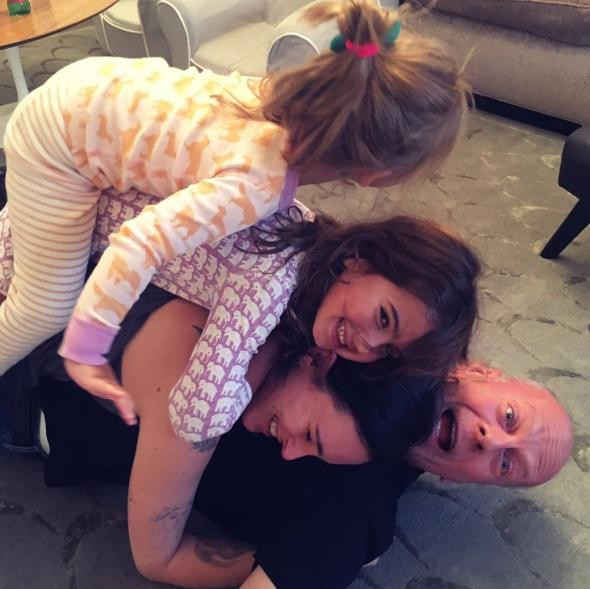
Mabel, 13, and Evelyn, 11, continue to visit their dad regularly for breakfast and dinner, keeping family life close and connected, despite the physical separation. Willis also shares daughters Rumer, 37, Scout, 34, and Tallulah, 31, with ex-wife Demi Moore, rounding out his blended family.
“He would want them to be in a home that was more tailored to their needs, not his,” Emma added.
The slow fade of a Hollywood icon
Willis, 70, was diagnosed with frontotemporal dementia (FTD) in 2023, a condition that mainly affects areas of the brain linked to personality, behavior, and language. Emma didn’t hold back when describing the devastating toll the disease has taken.
Emma admitted the hardest reality: “His brain is failing him.” Still, she added, “The language is going. We’ve learned to adapt and we have a way of communicating with him, which is just a different way.”
Still, she stressed that Bruce remains “very mobile” and in “great health overall,” offering a sliver of hope amid the painful reality.
Early signs and silent struggles
Before Bruce’s official diagnosis, Emma began noticing subtle changes. The man once known for his warmth and wit had grown distant and quiet.
“When the family would get together, he would just melt a little bit,” she recalled. “It felt a little removed, very cold — not like Bruce.”
Those shifts strained their marriage.
“Can I remain in a marriage that doesn’t feel like what we had? That doesn’t feel like a marriage anymore?” she confessed. She recalled having conversations with Willis about their struggles, but he would often dismiss her concerns until the diagnosis made sense of his behavior.
But the diagnosis gave them both clarity and allowed her to move forward as both wife and caregiver, with understanding and compassion.
A book born from resilience
Emma’s candid revelations come ahead of the release of her new book, “The Unexpected Journey: Finding Strength, Hope, and Yourself on the Caregiving Path,” set to publish September 9. The memoir aims to support others navigating the often invisible world of caregiving, especially for degenerative conditions like dementia.
“This is not the life we envisioned,” she said, “but it’s the life we’re living — and we’re doing it together.”